
 EN
EN

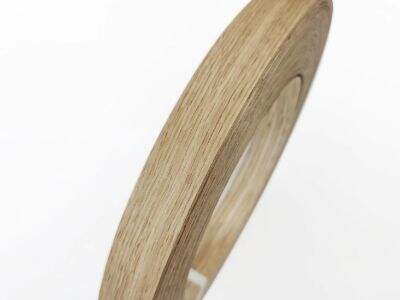
There are some issues that you may encounter, when using plywood edge banding. These are things that make your project harder than it should be. Edge banding is when you cover the edges of plywood with a thin strip of wood or similar material. This is the way it looks nice, and the edges are protected from getting banged up. At other times, you may discover that the edge banding does not adhere properly or comes unglued. The reasons for this kind of problem can be diverse, so don’t fret if in doubt! Solutions are a lot more simple that you’d think. Here are some tips and tricks to fix the most common problems. That's where VUNIR plywood edge banding comes in. We've got the answers you need to become the edge banding expert in your own shop.
Where Solutions for Plywood Edge Banding Modules can be Found?
First, you might try looking online for helpful videos and articles. Others share their experiences and solutions to common problems which can be super helpful. You can also go to forums about woodworking or DIY projects. The groups are populated with people who like to help others and share their tips. And if you are one for in-person advice, a woodworking class or workshop can also be beneficial. You’d be surprised how much you can learn at a local community center, or store that sells woodworking supplies. For more hands-on guidance, you might want to consider seeking help from a professional or someone who has experience with edge banding. They can give advice on what has just worked for them. Fixing edge banding issues requires the right tools and materials. VUNIR provides high quality product that saves your time and money. The right goo or tape can make all the difference. Finally, don't forget about practice. The more you work with your projects the better you will become at identifying issues and correcting them. Now, everyone has difficulties learning something new — that’s part of the process.
Source of Good Plywood for Edge Banding projects is Key.
The type of ply you pick depend a lot on the quality of the bond between edge banding and ply as well as how it appears. There are some that specialize in wood products you should seek out. They tend to carry a wider range of options than general hardware stores. Find out if they carry different grades of plywood, as higher-grade plywoods usually have the smoothest finishes. This makes applying edge banding easier. It’s also wise to ask someone in the store for advice on what edge banding plywood solid wood is best for the project you have in mind. They can dish out what works with edge banding. Local lumber yards occasionally have a variety of types of plywood…which can be good. You may also discover one-off possibilities that suit you. You can also find many good options on the online marketplace. Most companies have online stands and delivery to your doorstep. Before you make a purchase, see reviews of its quality and reliability. Even just hearing how other people feel about the plywood can help you make informed decisions. VUNIR has introduced industry’s highest quality plywood that is ideal for edge banding work, your work will start with the perfect foundation. Last thought to give you - how thick is the plywood for your edges. Thicker plywood can support heavier materials, helping to create a sturdy end product. Pick right and that edge banding will look good and go strong.
What is considered to be best for Plywood Edge Banding in Wholesale Production?
In terms of plywood edge banding, especially for wholesale manufacturing, a little goes a long way in terms of best practices. Edge banding is the last step in covering raw edges of plywood. Not only does this look better for the plywood, it helps to avoid damaging it. Here at VUNIR, we know thick plywood veneer edging is the key to a good start. The higher the quality of the plywood, the easier it will be to apply the edge banding.
Before you apply the edge banding, check to see that all your plywood edges are clean and smooth. If the edges are rough, banding might not adhere well and could lift off later. A light sanding of the edges might also be an aid. In addition, measure the edges carefully to ensure banding will fit properly. If the banding is too long or short, it won’t looks good and can even result in a redo.
The other best practice is using the correct glue. The glue is what secures the banding, so it needs to be strong and appropriate to the materials. VUNIR suggests to use hot melt adhesive for strong adhesion and fastness. This is so nice cause it is a fast drying glue and can actually be sanded smooth after you apply it.
When performing the banding procedure, apply it with a uniform method. What this entails is even pressure down the edge so that your banding stick slides smoothly. Then, once applied use a trimmer to remove any overhanging banding. And, lastly, you should inspect the end product to ensure quality. Check for gaps or bubbles in the banding, if you see them this can be a sign that the application was not applied properly. Following these steps, wholesalers can make sure their plywood boards are of high quality and kept for the customers.
How to fix edge banding problems in plywood?
Even if you follow all of VUNIR's best practices for edge banding, there still can be issues at times. And soon as you notice anything problems, it is important to fix the issue and prevent more serious issues in the future. One common problem is that the edge banding can begin to lift from the plywood. If you notice this, test whether the glue is still tacky. You might need to reapply glue if it's dry. Lift the edge banding up carefully, apply fresh glue and press it back down firmly.
Another possible problem is the presence of air bubbles beneath the banding. These bubbles give the plywood an ugly look and may weaken the bond. To remedy, prick the bubble with an extremely small pin or needle. Then, give it a slight squeeze to push out the air and put a dab of glue on it to seal up the hole again. Be gentle with it; you don’t want to tear the banding.
Occasionally, the banding will not line up with the edges of the plywood. This occurs frequently when the measurements were wrong. If this does occur, you can trim the banding with a utility knife so it lines up perfectly with the edge of the plywood. Do not rush this step — taking your time will make for a better finish.
Finally, if the Sharbo banding looked dull or scratched after you applied it, You can try Sanding wear and tear with some fine sandpaper to make any: worn spots shiny again. Have the QC checklist handy at all times to prevent any potential issues later on. Nodes and fixes will help to secure the quality of plywood edge banding at your job site.
FAQ About Plywood Edge Banding Problem Shooting for Buyers
A lot of buyers have issues about the plywood edge banding after buying. At VUNIR we love to answer your questions so you can be happy with your purchase. One of the most frequent questions I get is, “What should I do if my edge banding got fish lips?” If you see peeling, confirm whether the item was affected by water or go to high temperature. Such conditions might damage the glue. If the edge band is peeling, you may want to attempt applying glue with caution or reach out to us for informational on replacement.
Another is, “How can I clean the edge banding?” Cleaning is simple. Simply wipe it down with a soft cloth and some soapy water. Don’t use chemicals that are too strong because they will ruin the finish on the banding. Keeping the banding clean extends its life.
“Can I paint or stain edge banding?” is a question that many buyers will ask. The good news is yes. But just be sure to check the material of the banding first. Some are able to take paint or stain more readily than others. Testing an inconspicuous area first is good to do.
Finally, some buyers inquire about the longevity of edge banding. In general, if treated nicely the edge banding can be around for a while. It will stay in good shape if kept away from direct sunlight and excessive moisture. These common queries are addressed by VUNIR in its attempt to guide buyers to have a enjoyable experience with their plywood products.
Table of Contents
- Where Solutions for Plywood Edge Banding Modules can be Found?
- Source of Good Plywood for Edge Banding projects is Key.
- What is considered to be best for Plywood Edge Banding in Wholesale Production?
- How to fix edge banding problems in plywood?
- FAQ About Plywood Edge Banding Problem Shooting for Buyers