
 EN
EN

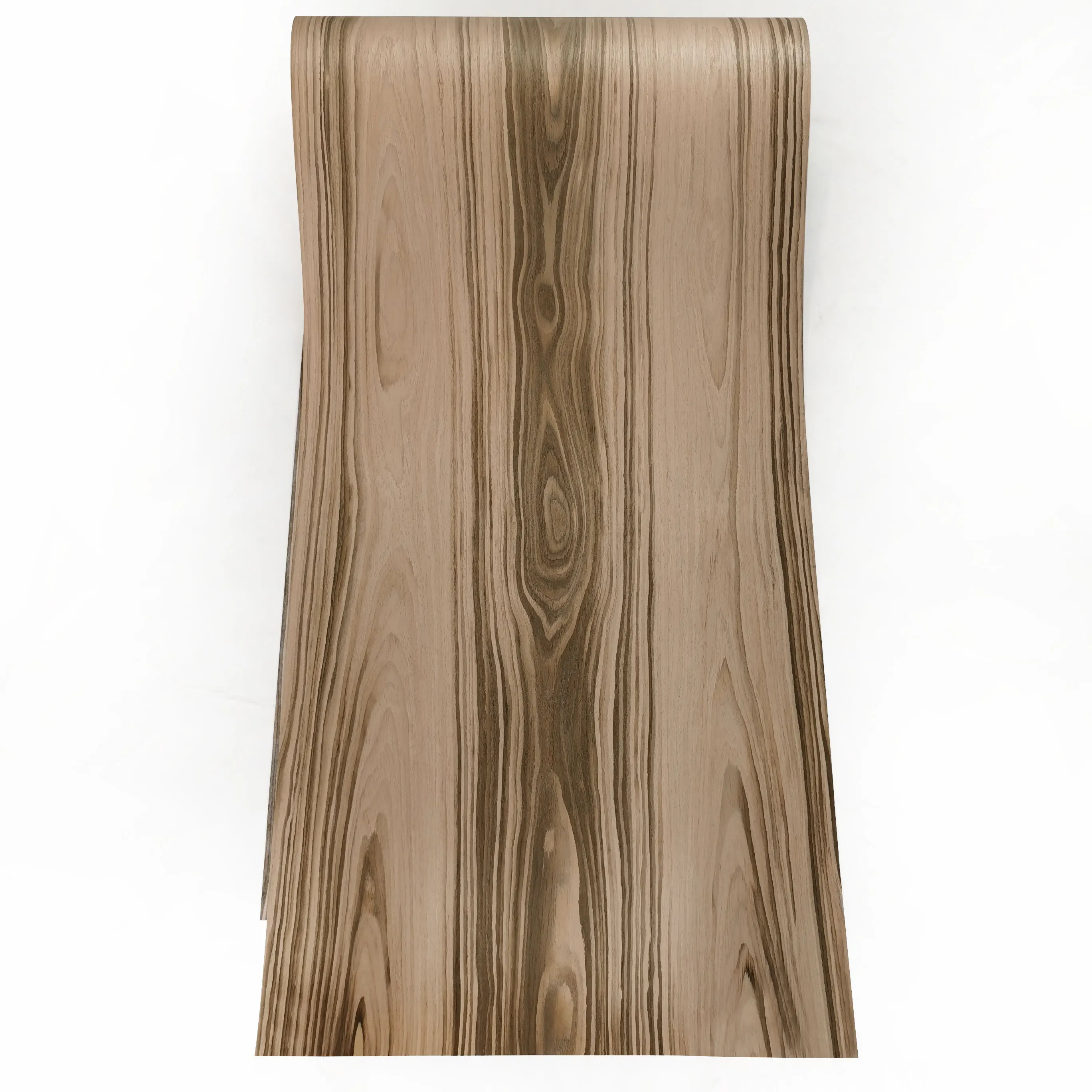
Birch wood veneer It is a real thin layer of birch from the tree. Builders and people who make furniture like to use it because it looks nice and is easy to work with. H
Greatest Ways to Stain Birch Veneer
Staining birch veneer is the equivalent of putting a new coat of paint on but with infinitely more depth. First things first, you need to prep the area. Dust the veneer to remove any dirt. For rough or porous surfaces, you may gently sand the surface with fine sand paper. This assists the stain in penetrating more effectively.
Birch Wood Veneer so desirable to wholesale purchasers
Birch wood veneer is in huge demand with firms who purchase wood in bulk. One reason is its affordability. Birch is often less expensive than other woods, yet it still looks very good. This means companies can save money as well as get a good product. A second reason is that it is so simple to work with.
Prevent Problems with Birch Wood Veneer
If you are a woodworking enthusiast like me, these abilities would be great to have at your fingertips so that when using birch wood veneer you can find ways to prevent edging for plywood problems. First, begin by always inspecting the veneer for damage before you start. Check for cracks, scratches and anything that looks out of place.
The Advantages of Using Birch Veneer
Custom Staining Birch veneer is popular because it has several advantages over other types of edge banding wood. One of the advantages is the stunning grain pattern that birch entails. It is easy to stain because of it's smooth/fine texture. When you stain birch veneer, the wood takes in the finish well, and it highlights the pattern nicely.
Choosing the Best Stain
Selecting the proper stain for your plywood edge banding is a critical decision that can alter the appearance of your project. First, consider the color you would like. Birch veneer is pale, so it can take dark color. If you’re going for a natural look, you may want to go with clear or light stain.