
 EN
EN

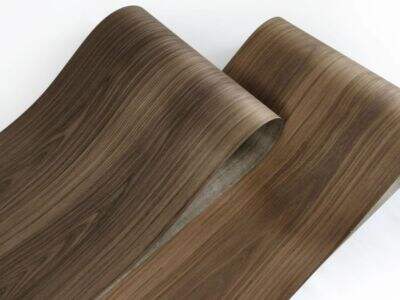
When you are shopping for furniture or other wood products, it’s helpful to know whether you’re looking at real wood veneer or just a piece of laminate that is printed and embossed so that it looks like the pattern in natural wood. Real wood veneer is thin slices of wood taken from a tree, and laminate is a man-made material that can look like wood. At VUNIR, we value supporting our customers in understanding these distinctions and they choices they have. Knowing how to distinguish between the two can save you money and ensure you get something that lasts.
How to Tell If Veneered Furniture Is Worth Refinishing vs. Paint And How To Recognize Real Wood Fast When Shopping for Wholesale Goods
When you're in the market for real wood veneer, there are a few identifying tips to tell if what you see is the real thing. Inspect the surface of the product first. Real wood veneer, however, will exhibit natural patterns and grains. Every piece is one of a kind, so there may be knots, swirls, or uneven lines that reveal it’s real wood. And if the surface appears too slick and flawless, it might be laminate. One check on the edges as well. Those edges reveal layers of wood or grain then it’s a veneer. If there are any edges that are smooth and completely straight without taper or variation, it could be laminate.
Another idea is to perform a simple test. Try scratching the surface with your fingernail lightly. If you can make a mark, that indicates it could be actual wood. Laminate surfaces, on the other hand, are generally more resistant to scratching and might not show any smudges at all. There’s another strategy that involves smelling the surface. Real wood smells like wood, as synthetic laminate often carries a plastic odor. If you’re doing wholesale, ask for a sample or part of the leotard so you can feel it and look at it. We at VUNIR, we believe that it is crucial for our customers to question and understand the materials included in the products they are seeking out and to take time exploring the materials so worth while in general.
Identifying Common Signs of Laminate Trying to Look Like Solid Wood
Laminate, though it looks enough like veneer to fool a casual observer, is much worse for wear, it’s cheaper and also far less durable. It’s good to know the signs that may indicate laminate passing itself off as wood. A major tell is how the surface feels. If it feels too smooth without texture, that’s questionable. Actual wood will be textured, laminate typically feels smooth and artificial. You may also see that laminate materials are shiny and too glossy in appearance. Actual wood is more natural looking and with a subtle shine.
The patterns are something else to keep an eye on. Laminate tends to use printed wood pattern applied on it in alternating direction, hence producing a repeating pattern. That means you might get the same pattern showing up in a product and that doesn’t happen with real wood. With real wood veneer, the grain pattern will be unique and is different on each piece. And look at the weight as well. Laminate is usually lighter than real wood because it’s built in layers of synthetic materials. If it feels unusually light, it could be laminate.
Finally, check for seams. Laminate is typically created in sheets, so there may be seams or lines where the sheets meet. Genuine artificial wood veneer is generally one piece or has a minimum of joints. Do not be afraid to ask for assistance if you ever feel overwhelmed during a shopping trip. At VUNIR, we care about the trust of our customers and We urge them to query the products they will be buying to make sure they receive true quality if every purchase.
Advantages of Real Wood Veneer Versus Laminate?
Opting for actual wood veneer as opposed to laminate can be the best selection you could make. Before that, however, let’s familiarize ourselves with what real wood veneer is. It is a thin layer of real wood that’s bonded to a core panel, like plywood or particleboard. Real wood veneer provides a natural look and feel, unlike laminate which is made from plastic. This can be one of the major advantages of real wood veneer: unique looks. Every veneer is unique, with its own grain, color and pattern. This is why no two are identical. Real wood veneer If you appreciate the beauty of natural wood, then real wood veneer has a much to offer.
One other benefit of real wood veneer is that it can actually be harder than laminate. Laminate can break down and scratch over time, especially if it takes a lot of abuse, but your wood veneer can be sanded down and refinished to look fresh again. This is to say that your wood veneer furniture can last a very long time if you take care of it. What’s more, real wood veneer is generally regarded as more eco-friendly. Since it relies on a thin slice of wood, it can require less material than solid wood furniture, which is better for saving trees. VUNIR is eco-friendly, ensuring that the veneers used are all sourced from sustainably managed forests.
Furthermore, real wood veneer can add value to your furniture or property. And there are a lot of folks who believe houses built with real wood features have loads more curb appeal, and potentially even higher property value when it comes time to sell. So also genuine wood veneer can give the beauty you look forward to; it can be refinished, is green and additional valuable. With VUNIR's passion for quality, the decision to select real wood veneer over other wood products will help you further contribute to the well-being of your home and ecosystem.
How to Know if You're Receiving Real Wood Veneer in Wholesale Orders
If you are ordering wood veneer in larger quantities, be sure you get the genuine article, not laminate. The first thing to do will be to examine the samples. You should sight and see the grain pattern, which includes the natural markings of the wood. Unlike laminate, genuine wood veneer is going to have variations knotholes or special lines that make it unique. If you notice that the piece looks too perfect and has a plastic impression, it is likely laminate. At VUNIR we supply samples so you can see and feel the difference.
One other method to notice whether you are obtaining authentic wood veneer is to look at the backing. Real wood veneer is typically glued to a substrate that gives it strength plywood, MDF or particle board. If the material is thin and feels like plastic then it is probably laminate. Another thing to attempt is to bend some of the veneer. Real wood veneer has some play in it without cracking. On the other hand, laminate may shatter if it is bent too far. It’s also useful to ask your supplier about the source and certification of the wood. A reputable supplier, such as VUNIR, will have evidence that their veneers are from a sustainable wood source and they will be able to talk through how the face is made.
Last but not least, consider the price. What is too low a cost for the amount of wood you are getting? This can be a red flag. Real wood veneer is typically pricier than laminate since it can be not only more expensive, but also requires more delicate processing to manufacture. Simply do all of these and you can be confident that when it comes to bulk orders, you are getting real wood veneer and then some for more satisfying results in your projects.
Common Mistakes To Avoid When Buying Veneer vs. Laminate
In the process of buying wood veneer, a lot of people go wrong in their purchases that may end up being disappointing. The person is not comprehending the meaning of wood veneer and the differences between it and laminate. It is worth mentioning that laminate does not constitute real wood. Laminated furniture appears to be as pleasant and less expensive, there is a temptation to purchase it and regretting it afterward. And by the way, should you have a special desire of that natural wood feel, there is always wood veneer.
The other error is that they do not check the quality of the product prior to purchase. There will be customers who will make orders without samples or scrutinizing the material. He writes, ask a sample or a touch-and-feel first when possible before bulk purchases are made. Failing to do so you might end up with something other than you were anticipating. VUNIR suggests the samples of the requests made by customers to give them a chance to admire the beauty and quality of our veneers.
Individuals also fail to ask questions during the purchase of wood veneers. Not familiar with the type of wood or actually interested in knowing more about the origin of the wood? The suppliers will be happy to provide answers. This can be ignored, leading to confusion and, eventually, making a bad purchase decision. Lastly, be careful not to make a quick decision on the basis of prices. These materials can be of different costs depending on the costs, but less costly route does not necessarily give you the intended look and touch. Real wood veneer may cost a bit more initially, but it is prone to outlasting longer and aging so much easier, and thus a better deal. The ability to avoid these most typical errors will put you on the road to choosing the correct wood veneer and be happily pleased with the beauty at home.
Table of Contents
- How to Tell If Veneered Furniture Is Worth Refinishing vs. Paint And How To Recognize Real Wood Fast When Shopping for Wholesale Goods
- Identifying Common Signs of Laminate Trying to Look Like Solid Wood
- Advantages of Real Wood Veneer Versus Laminate?
- How to Know if You're Receiving Real Wood Veneer in Wholesale Orders
- Common Mistakes To Avoid When Buying Veneer vs. Laminate