
 EN
EN

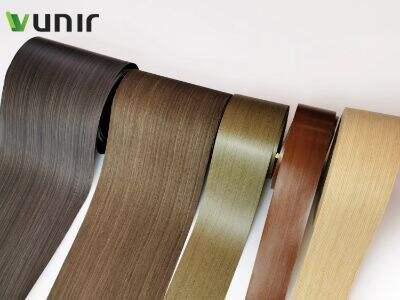
It is understandably difficult to make a clean cut of plywood, particularly if you are trying hard not to splinter it. Few things can spoil your project and produce a rough finish like splinters. Here at VUNIR, we know that when it comes to all your projects a good cut matters. This guide will give you the information that you need to cut plywood without splintering the face. If you are a beginner, or someone who is used to tools - following the right procedure makes all the difference. We’re here to provide you with easy but practical tips so your plywood looks fantastic each time you cut it
How to guarantee clean cuts on your plywood boards for that wholesale work of yours
For clean cuts in your plywood boards, the right tools are crucial. And a sharp knife is your friend. When cutting with a circular saw, ensure the blade is suitable for plywood. This type of the blade tends to have more and smaller teeth, which prevents splintering. Another tool you might consider is a jigsaw, especially for curves. This is a way to help lead the blade down the material slower. Also, you have to adjust the saw for correct depth. You don’t want the blade to cut further into your stock than the thickness of the plywood
A related trick to ensure a clean cut is to lay down some painter’s tape right along the line where you intend to cut The tape serves as a barrier which keeps the wood fibers in, and helps prevent the wood splintering out when cut. Use the tape as a guide to draw your cutting line, try to keep right on the mark. Once you cut it, you can peel off the tape and you should have a pretty clean edge. If you’re working with large pieces of plywood, a guide or other straight edge can help ensure your cuts are straight. You can clamp a straight board against the plywood to serve as a guide for cutting. That way you can make sure the smooth travels straight. Lastly, take your time. Racing it may result in mistakes and splintering
What Methods are Used for Cutting Down on Plywood Splintering
Along with cutting plywood come good techniques that can simplify a difficult task. One way to do this is to mark the cut line and now draw it out a little too if you want on where to cut along with your power tool but not completely through. Scoring involves a shallow cut using a utility knife or sharp blade along the line of your desired break. This primes the surface and isn’t likely to splinter so excessively. You can then cut once you have scored it, knowing that you have the guide in place
Another good trick is to make the plywood cut face down. In doing so, your nice side of the board will be up against your cutting surface. Doing so will ensure that if there is any tearout, it’s the side of the woodwork that won’t be shown when you are done. As well, you can crowd your saw. A lower speed can allow the blade more time to make clean cuts without tearing wood fibers
Always wear proper gear like goggles and gloves when cutting. That's what will protect you from debris and accidents. Keep your work area clean and organized. It just helps you work better and focus on those precise cuts. With these methods, you will be able to cut plywood perfectly and your work should look superior. At VUNIR, we want to see you succeed, which is why we’ll offer advice that will ensure the best finish
Tips for a Splinter-Free Finish
Plywood parties are so much fun, but can be a bit of challenge if you want it to stay pretty. Because splinters can mar the smooth surface of your board. Here are some great solutions to help you cut plywood without suffering from those pesky splinters. One — always be sure to measure carefully. Before you start cutting, make sure your measurements are correct. With a straight edge, such as a ruler or level, mark out your cutting line. It will help keep you on track so you don’t have to re-cut. You’ll also want to use some painter’s tape. Stick the tape down along the line where you’ll cut. The tape serves to hold the wood fibers together, preventing them from splintering off when you make your cut
And once you start snipping, MOVES SLOWLY. Don’t rush! Get in a hurry and you can end up with splinters and mistakes. To avoid that, if you’re using a power saw let the blade do the cutting; don’t force the wood through it That should make for a cleaner cut. Also, be sure to adequately support the plywood while cutting. Ensure the board is flat and fully supported on both sides of the cut. You can end up splintering if the board shifts. Last but not least, don't forget to sand the edges after cutting. Sand with high-grade sandpaper to even out any rough spots where you made cuts. Doing so could prevent potential splinters down the road
What is the best way to cut plywood without getting splinters
It makes a big difference in the quality of your cut, when you’re cutting plywood. One of the best tools is a circular saw and guide. This is a good tool for straight cuts; you can set it to be very accurate. If you prefer to use a circular saw, be sure that it is set to a shallow depth. Press to cut into plywood material only. This will lessen the possibility of tearout, particularly on the underside of the board
Another great cutting technique is with a table saw. This is a more professional tool, usually used in woodworking workshop. It has a fence that prevents the plywood from shifting and will help draw your cut through. Your edges will up very sick and you will MUCH less splintering, even if your blade is not new. If you like the hand tool option, a jigsaw is also an excellent choice. It is ideal for cutting curves and intricate patterns. To minimize splintering when cutting with a jigsaw, as with the circular saw, ensure you’re using a fine-tooth blade
And that’s plywood cutting the right way – once you do it, you’ll realize it becomes a whole lot of fun if I may put it this way. Don’t forget to wear safety equipment while cutting, such as goggles and gloves, to protect your skin. Once you cut, give your work the once-over. A clean cut is a happy cut
How to Pick the Best Blade for Plywood Cutting That Doesn’t Splinter
It is very crucial to select the best blade for cutting plywood. A good blade can make the difference between a smooth cut and one that appears jagged with splinters. A blade’s teeth is a critical consideration. Since the more teeth a blade has, the smoother it will cut — good news for plywood. For example, on a thinner sheet of plywood use a 40 tooth blade. This will make your edges look cleaner. For cutting thicker plywood, you will want blades with more teeth still
The quality of the material that makes up the blade is another consideration. Top quality carbide tipped blades are perfect for cutting plywood. These blades have held up very well and cut through stringy wood like butter. Your cuts will be cleaner and the blade is less apt to take out chunks of fiber
Another piece of advice is to ensure the blade is meant for woodworking. A few blades are even made to cut ply wood and laminates. These kinds are designed with features to minimize splintering. When putting the blade in ensure that it is slotted in correctly and tightly on your saw. A blade that is not stable can flex back and forth, and create inconsistent cuts which splinter the work-pieces
Before you actually start cutting, make a practice cut on some scrap plywood. This lets you visualize the behavior of the blade, and accommodate for it if necessary. The choice of the correct blade for your task will produce better results and work smoothly with plywood. We at VUNIR think that with the proper tools and techniques, you can cut it right without splintering. Happy cutting
Table of Contents
- How to guarantee clean cuts on your plywood boards for that wholesale work of yours
- What Methods are Used for Cutting Down on Plywood Splintering
- Tips for a Splinter-Free Finish
- What is the best way to cut plywood without getting splinters
- How to Pick the Best Blade for Plywood Cutting That Doesn’t Splinter