
 EN
EN

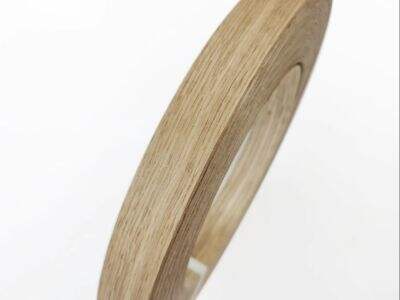
Plywood edge banding are essential components to furniture and woodworking projects. They’re the edges on plywood that give it a pretty face and protect it from damage. The right thickness of edge band can have an impact on how long it lasts. It also determines how strong or weak the end piece will be. VUNIR is well aware of how important this decision is in creating long-lasting furniture and buildings. Here we learn which thickness is selected when it comes to edge bands and how does it contribute in the production of strong and durable products.
Choosing the right plywood edge band thickness for durability
When considering the right thickness of plywood for using as edge bands there are several considerations. The first thing you need to know about your plywood is what kind it is. Thicker wood edge banding tape are generally good for thicker plywood. For example, if you are using half inch ply then you probably need 1mm or perhaps 2mm edge band. This way it will help mesh with the plywood and be more protective. Also think about how these items will be used. A thicker edge band can protect against chipping and peeling if a table is going to be heavily used, but other than that the look is up to you. If, however, you’re working on a lighter project — such as a small cabinet — then a thinner edge band may be adequate. The edge band quality is also something that VUNIR suggests to look at. Thickness doesn't matter when you're working with good material. It’s also worth considering your skill level. When you don’t feel confident in woodworking, thicker edge bands can be help the project go easier because they are just easier to apply and not as likely to chip when you mount them.
Skinny on plywood edge band thicknesses that stand the test of time.
It is available in thicknesses of 0.5mm, 1mm and 2mm, with the latter being a common choice for a variety of projects. Thicker edge banding is generally more durable. Even if it costs the same price, a 36-mm plywood edge band has to go through the re-milling all over again and both other machines have changeover similar to how you prepare glue tanks (one per inch of material). For instance, people eat at restaurants a lot. A thicker edge band works best on those tables, one that stands up to regular use. Thin edge bands, though less expensive, tend to wear out more quickly and may have to be replaced earlier. One thing to consider, however, is that thicker edge bands can also be more forgiving when installing. If you’re not great at applying them, a thicker band can better cover up a couple of small mistakes, then a thin one. VUNIR has done a lot of this in actual projects—resolving the issues wear-and-tear poses while simplifying installation for those new to the trade. And, in the end, that perfect thickness means your project is strong and beautiful and will last for years to come.
Most common questions people have
How can I make sure my plywood will last a long time when choosing a plywood veneer edge band thickness. The thickness of the edge band can also have a big impact on durability. The actual definition of plywood edge banding is the thin strips that cover ends of plywood sheet. They cover the raw edges and protect the plywood from things that can damage it, such as moisture and wear. If you want to ensure that your plywood remains intact and lasts, thin edge bands are nothing but garbage. When it comes to protecting the wood, thicker bands are going to be more efficient simply because they create a stronger barrier against moisture, scratches and other potential harm. For instance, if you work with plywood for furniture or cabinets, a thicker edge band can help them look nice and new more time. For a long lasting-on-the-go, at VUNIR we suggest you to use edge bands which have 1mm thickness or more. This thickness is substantial enough to block water and prevent the edges from getting damaged if you bump up against them or objects scratch across them. After applying a thicker band, ensure that they are well glued on the edges of the plywood. A good adhesive holds the band in place, causing it to perform properly and protect the wood beneath. When the dimensions and glue are right, your plywood furniture or project can stay beautiful and functional for decades.
Conclusion
There are many errors to be made in selecting the right plywood edge band thickness. One common error is choosing an edge band that’s too flimsy for the level of service you require. For instance, if you want to use plywood in a desk surface that’s written at every day, maybe thin edge band doesn’t protect it enough. Some may even think that thinner edge bands are a less expensive option, but when head-to-head against years of use and abuse, they could end up costing more to replace or repair. Another frequent error is failing to factor in the adhesive. If the edge band doesn’t glue well, it will peel away, which defeats the purpose of protecting the plywood. You should make sure to use a high quality glue and carefully follow all the instructions. The key to not making mistakes is planning ahead at VUNIR. Just give it some thought about the space where you want to use your plywood. With the correct edge band thickness and right glue, you’ll get a very nice, durable project. It may be worth scheduling a consultation with an expert if you’re unsure about which thickness to go for. Use care and good judgment, and you can avoid mistakes and build something that lasts.